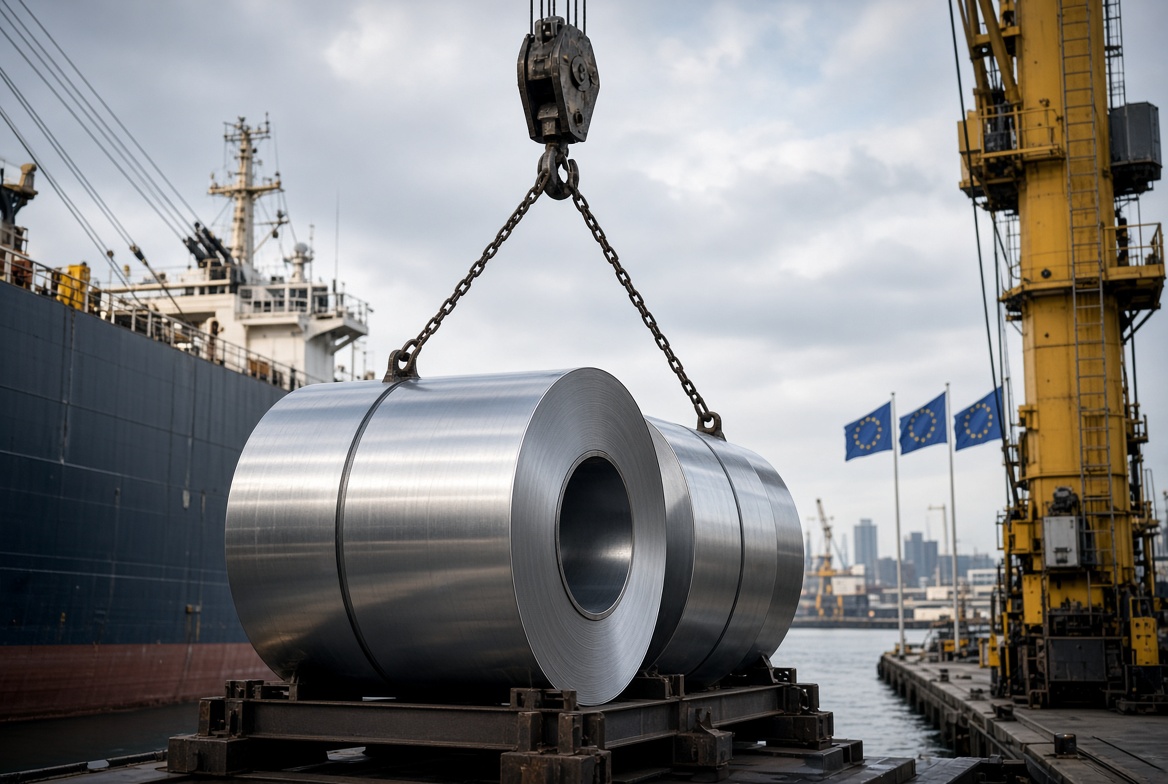
If the Belgian customs authorities have detained your products or goods, this may lead to fines, payment of duties and VAT, or even permanent confiscation. Whether it concerns commercial goods or purchases made outside the EU, you need to identify the reason for the blockage. In this guide, we explain the most common causes, the possible penalties, and especially how to recover your goods in Belgium as effectively as possible.
Why can Belgian customs detain your products?
In most cases, customs detention in Belgium results from technical, documentary, or regulatory irregularities detected during a customs control at a Belgian airport or upon entry of goods by air or sea. If goods are detained in Belgium, there is usually a reason behind the blockage, and it is important to identify it in order to resolve the situation. Below are some of the most common causes.
Lack of required documentation
One of the most frequent reasons for customs detention in Belgium is missing or insufficient documentation. Any import from a non-EU country must be accompanied by a commercial invoice, the relevant transport documents, and, where required, specific certificates or a declaration of conformity.
Incomplete or incorrect documentation
If certain documents are missing (such as the commercial invoice, certificate of origin, or transport document – for example, the AWB for air freight), customs may detain the goods until the documentation is provided. For regulated products, such as cosmetics or food, health certificates or the designation of a responsible person within the European Union may also be required.
💡 Practical example: A company imports cosmetics from South Korea without providing the product’s technical file or proof of an EU responsible person. The goods may remain detained until the situation required by EU regulations is resolved.
Error in the TARIC code
Each product must be classified under the correct TARIC customs code. If the declared code does not match the product, customs may consider this a technical error or even an under-declaration (incorrect declaration). This may raise doubts for customs officers and lead to detention.
💡 Practical example: An importer declares electronic accessories as “computer components,” while in fact they are devices subject to telecommunications regulations. Customs may therefore block the goods at the point of entry to verify the classification and applicable rules.
Incorrect customs value or undervaluation
The customs value must reflect the actual price paid, including certain costs where applicable. If customs considers that the declared value is artificially low, it may detain the goods, request supporting documents, and adjust the applicable customs duties and VAT. This may result in additional payments and possible administrative penalties.
💡 Practical example: A shipment of mobile phones declared at 15.000 EUR when their market value is higher may trigger a customs inspection and detention until the correct value is clarified.
Issues with CE marking and technical compliance
For products such as electronics, toys, machinery, or medical devices, CE marking is mandatory for marketing within the European Union. Customs may block the goods if there is no EU declaration of conformity or if the technical file is not available.
💡 Practical example: Electric chargers imported from China that display the CE symbol but lack technical documentation proving compliance may be detained during customs control at the Port of Antwerp in Belgium.
Products subject to prior licenses or authorizations
Certain goods require prior authorization before being imported into Belgium. These often include regulated products such as medicines, medical devices, chemical substances, agricultural goods, and dual-use items. If the required license is not presented, customs may detain the goods until the authorization is obtained.
💡 Practical example: Importing food supplements without the required health certification may lead to customs detention until the situation is regularized.
You can consult our article on importing products into Belgium and importing products from outside the EU for further information.
International sanctions or trade restrictions
Belgian customs also intervene if the goods are linked to international sanctions or measures adopted by the European Union. If the products originate from a country, company, or sector subject to sanctions or restrictions, customs may block them even if the documentation appears correct.
Purchases made outside the EU by individuals and not declared
Customs detention in Belgium does not only affect businesses. It is also common for individuals who bring goods purchased outside the European Union into Belgium without declaring them. When a traveler arrives in Belgium from a non-EU country, there is a limited value allowance for goods carried in personal luggage. If the total value of purchases exceeds the permitted threshold and no voluntary declaration is made, customs may detain the goods. In addition to paying the applicable duties and VAT, an administrative fine may be imposed, and in some cases the goods may be confiscated.
💡 Practical example: A traveler who buys luxury watches or electronic devices in the United States and brings them into Belgium without declaring them, exceeding the authorized value limit, may have the goods detained during customs control until the situation is regularized, or even confiscated until a fine is paid.
Difference between detention, seizure and confiscation in Belgium
When goods are detained by Belgian customs, there are different measures involved. A detention is not the same as a seizure of goods or a customs confiscation. The difference has important consequences in terms of deadlines, procedures, and penalties.
Provisional administrative detention
Detention is a temporary measure. Customs block the goods in order to verify documentation, tariff classification, declared value, or regulatory compliance. At this stage, there is no formal penalty and no confirmed accusation of an offence. In many cases, the goods can be released if the missing documents are provided, the customs declaration is corrected, or the situation is regularized. Detention is therefore the least severe stage and often reversible if addressed quickly.
Seizure of goods
Seizure is more serious. In this situation, the authority considers that there may be an administrative or customs offence. A formal report is usually drawn up, and a sanction procedure may begin. At this stage, the focus shifts from simply completing documentation to defending against a possible administrative fine. The seizure of goods may involve payment of additional customs duties and VAT, financial penalties, and continued holding of the goods while the investigation is ongoing.
Customs confiscation and criminal risk
Customs confiscation in Belgium means the definitive loss of the goods in favor of the State. It occurs when a serious infringement is established, such as smuggling, fraudulent declaration, or deliberate evasion of customs duties. In such cases, there may also be criminal risk, especially where there are indications of fraud, falsified documents, or intentional undervaluation of the goods. The case may then move beyond the administrative level and involve the public prosecutor. Understanding whether the situation is a detention, a seizure, or a confiscation determines the steps to take.
Procedure when Belgian customs detain goods
When goods are detained in Brussels, the blockage follows an administrative procedure managed by the General Administration of Customs and Excise, the competent authority in customs matters in Belgium. This procedure is often triggered at entry points such as Brussels Airport, although it can take place at any customs office within Belgian territory. Below are the usual stages of the process.
Notification from Belgian customs
When an irregularity is detected, the importer or concerned party receives a notification informing them that the goods have been blocked. This notification may be issued in writing, electronically, or through the customs representative. At this stage, the preliminary reason for the detention is indicated. It may relate to incomplete documentation, failure to declare the goods, doubts about the declared value, incorrect tariff classification, or missing authorizations.
Request for additional documentation
After the notification, customs typically request additional documents. This stage allows the importer to clarify errors or provide evidence. The authority may request commercial invoices, contracts, proof of payment, certificates of origin, declarations of conformity, or any other document necessary to verify the importation.
Possible regularization of the situation
If the issue identified is correctable, the situation may be regularized. This may involve correcting the tariff classification, adjusting the customs value, or paying additional customs duties or VAT.
💡 Practical advice: In many cases, proper and timely regularization allows the file to be closed without the opening of a formal sanction procedure.
Drafting of a customs report (procès-verbal)
If customs consider that an administrative offence may have occurred, they may draw up an official report in Belgium, known as a procès-verbal. This document records the alleged infringement and marks the beginning of a sanction procedure. At this stage, the case moves beyond simple document verification and may involve financial penalties.
Final decision
The procedure ends with an administrative decision. This decision may lift the detention, impose a fine, require payment of additional duties, or order confiscation of the goods. Depending on the content of the decision, legal remedies may be available. It is therefore important to analyze the decision carefully and assess whether a formal appeal should be filed.
What sanctions can Belgian customs impose?
A sanction for importation in Belgium can range from a financial fine to much more serious consequences, including customs confiscation and, in certain cases, a criminal offence. In addition, Belgium recently strengthened its sanctions framework in customs matters through the 2024 reform of the administrative sanctions system.
Customs fine in Belgium and administrative penalties
The most common consequence is an administrative customs fine in Belgium. This may occur when customs detect errors in the declaration, incorrect tariff classification, or irregularities in the declared value. In many cases, the authorities handle the matter through an administrative procedure without immediately referring it to the criminal courts, especially since the 2024 reform expanded the system of administrative sanctions.
💡 In practice, this means that the goods may remain detained while the case is being examined, and at the same time a financial penalty may be imposed. The amount of the fine depends on the type of infringement and its seriousness.
Payment of customs duties and VAT in addition to the fine
Another frequent consequence is that, in addition to a fine, customs require payment of outstanding customs duties and VAT. This often happens in cases of undervaluation or failure to declare goods imported from non-EU countries. In most situations, the importing company must pay the unpaid customs duties and VAT. For imports from outside the EU, the importer becomes responsible for the customs and tax obligations at the time the goods enter Belgium.
Confiscation of the goods
Customs confiscation in Belgium means the loss of the goods. This may occur when the authorities consider the infringement to be serious, when the situation cannot be regularized, or when there are elements of fraud or prohibition. In practical terms, confiscation often arises when deadlines are not respected, the origin or value of the goods cannot be justified, or the goods are subject to specific restrictions.
💡 Practical advice: It is important to act before the case escalates to confiscation and to assess the situation as soon as possible.
Possible criminal proceedings and customs offences in Belgium
In the most serious cases, the matter may move from the administrative level to the criminal level. This can happen if customs detect indications of smuggling, fraud, falsified documents, or deliberate concealment to avoid duties and taxes. In such a scenario, the issue is no longer limited to an administrative fine but may involve criminal liability under Belgian law. The distinction usually lies in how the facts are assessed. A correctable technical error is not treated in the same way as intentional misconduct.
2024 Reform of the administrative sanctions system in Belgium
An important element in understanding goods detained by Belgian customs is the reform introduced in 2024 regarding sanctions. The Law of 14 April 2024 amended the customs legislation and strengthened the administrative sanctions framework. Specifically, Article 22 of that law, in force since May 2024, introduced a new Article 266/3 into the General Law on Customs and Excise. This provision expands the system of administrative sanctions and gives the customs authorities broader powers to impose penalties at the administrative level.
In practical terms, this means that customs can now sanction certain infringements directly through administrative procedures, without referring the case to the criminal courts. The purpose of the reform is to modernize the system and clearly distinguish between minor non-compliance and serious fraud. For importing companies and individuals, this reform has concrete consequences. Errors in customs declarations, valuation issues, or other non-compliance can now more quickly lead to administrative fines, in addition to the payment of customs duties and VAT where applicable.
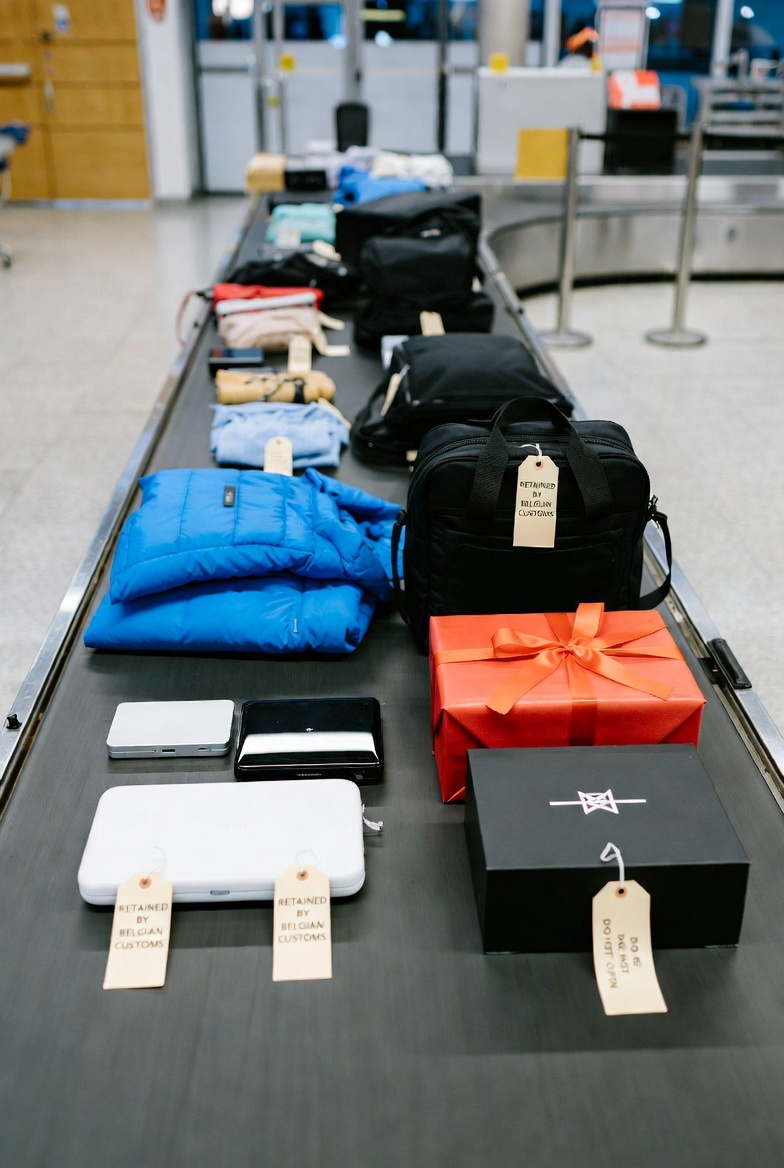
How to recover goods detained by Belgian customs
In most cases, the outcome depends on how the file is handled from the very beginning. We analyse more in detail below:
Technical review of the file
The first step to release goods in Belgium is to review the file. This includes analyzing the notification received, the reason for the detention, the customs declaration, and the documentation submitted with the import. At this stage, it is important to determine whether the issue is related to missing documentation, incorrect tariff classification, customs value, technical compliance (for example, CE marking), or missing licenses.
Correction of tariff classification
A frequent reason for detention is an error in the TARIC code. If the classification is incorrect, customs may retain the goods until they verify the correct code and applicable duties. It is advisable to correct the classification with a solid technical justification, including product description, intended use, composition, technical sheets, or catalogues. If the error is corrected and there is no indication of fraud, many situations can be resolved without further escalation.
Submission of supporting documentation
Once the issue has been identified, the next step is to provide the required documentation. This may include the commercial invoice, proof of payment, transport documents, certificates of origin, declarations of conformity, technical files, or licenses, depending on the nature of the goods. Providing complete and coherent documentation increases the chances of lifting the detention without further penalties.
Appeal against Belgian customs
If customs maintain the detention, impose a fine, or issue an unfavorable decision, it may be necessary to file an appeal against Belgian customs. The right to appeal in customs matters exists under European Union customs law, and the specific procedure depends on the type of decision involved (for example, a customs decision, an administrative fine, confiscation, or even criminal proceedings). In the case of administrative fines in Belgium, judicial appeal deadlines can be short, so it is important not to delay.
💡 Indicative time limits: There is no single deadline applicable to all cases, as it depends on the type of measure (detention, fine, confiscation), the content of the decision, and the applicable appeal procedure. For this reason, we would need to review the customs notification immediately and act as soon as possible.
Frequent cases of goods detained in Belgium
In practice, many customs detentions in Belgium follow similar patterns. Common issues include missing documentation, incorrect tariff classification, compliance problems, or undeclared purchases at the airport. Below are some examples handled by the firm.
Electronic products without proper CE compliance
A client imported a batch of chargers and adapters from China to sell in Belgium. The goods arrived at the airport and were detained because, although they displayed the CE marking, the importer was unable to provide the EU declaration of conformity at that time. The situation was resolved by submitting the manufacturer’s technical documentation and identifying the responsible person within the EU. This type of case is very common when importing consumer electronics, LED lighting, USB accessories, or small smart devices.
Cosmetics and health-related products
A company attempted to import facial cosmetic products from Asia for distribution in Europe. Although the client had a commercial invoice and transport documents, customs considered the documentation insufficient to authorize entry. The case required regulatory regularization and revision of labeling before the goods could be released. Similar issues often arise with cosmetics, food supplements, and certain health-related products that are subject to specific EU requirements.
Goods imported from China
A client imported various home products and accessories from China. The goods were detained because customs detected inconsistencies between the description on the invoice, the actual contents of the shipment, and the TARIC code used in the declaration. In addition, the declared value was considered low compared to the nature of the products. The situation was addressed by providing proof of payment, technical documentation, and clarification of the tariff classification.
Luxury items purchased outside the EU and carried in personal luggage
A traveler arrived in Brussels from a non-EU country carrying several luxury items for personal use and as gifts. During customs control, the authorities determined that the goods exceeded the value and quantity limits allowed under the customs allowance. Because no voluntary declaration had been made, part of the goods were detained, and the traveler was required to pay customs duties and VAT, as well as an administrative fine. The traveler believed that, since the goods were not for commercial purposes, there was no obligation to declare them. Similar cases frequently involve watches, mobile phones, perfumes, premium alcohol, and luxury clothing purchased outside the EU and brought into Belgium without declaration.
CJEU and Belgian case law on customs detentions
C-349/07, Sopropé (CJEU, 18 December 2008)
The Court of Justice of the European Union held that the right to be heard is part of the fundamental rights under EU law. This means that before the authorities adopt a decision that negatively affects a person — for example, claiming additional customs duties, imposing a fine, or confirming a detention — they must give that person the opportunity to submit observations and provide evidence. In simple terms, customs cannot make a binding decision without allowing the affected party to defend themselves.
C-129/13 and C-130/13, Kamino and Datema
In these joined cases, the Court confirmed that the right to be heard must also be respected in procedures for recovering customs debts, even if national legislation does not expressly mention it. The Court further clarified that if this right is breached, the decision may be annulled, especially where the person concerned could have influenced the outcome of the procedure. This case is particularly relevant in disputes involving additional duties, value adjustments, or decisions taken after a customs detention.
C-529/16, Hamamatsu
This judgment concerns the determination of the customs value of goods. The Court examined whether customs authorities could make retroactive adjustments to the declared value based on transfer pricing policies used for tax purposes. The Court concluded that customs value cannot be automatically or retroactively modified solely on the basis of later accounting adjustments. Customs valuation must follow the specific rules laid down in customs legislation. This decision is especially important in cases where goods are detained due to suspected undervaluation.
Belgian Constitutional Court, Judgment No. 20/2023
At the Belgian level, this decision is relevant because it examines the sanctions system in customs and excise matters from a constitutional perspective. The Court reviewed mechanisms such as confiscation and administrative settlement procedures. It confirmed that even where the law allows administrative sanctions or negotiated settlements, fundamental rights and constitutional guarantees must still be respected. In practice, this judgment reinforces the principle that customs authorities must act within legal limits, even when dealing with serious infringements or confiscation cases.
Sanction or customs blockage in Belgium? Protect your rights
If your goods have been detained by Belgian customs, contact us as specialists in Customs Law and International Law. A customs detention in Belgium can be resolved quickly if action is taken from the outset, but it can also escalate into a fine, seizure, or even confiscation if it is not handled properly. Deadlines are often short, and a delayed response may limit your defense options.
Carefully analyzing the notification, reviewing the tariff classification, justifying the customs value, and preparing a well-founded response can make the difference between recovering your goods and facing significant financial losses. If you are dealing with goods detained in Brussels or an import-related sanction in Belgium, it is advisable to assess the case immediately in order to protect your rights and minimize risks.
Contact us at info@arthurmarin.com or by phone at +32 465 345 345.
💡 Acting quickly and with proper legal knowledge makes the difference.