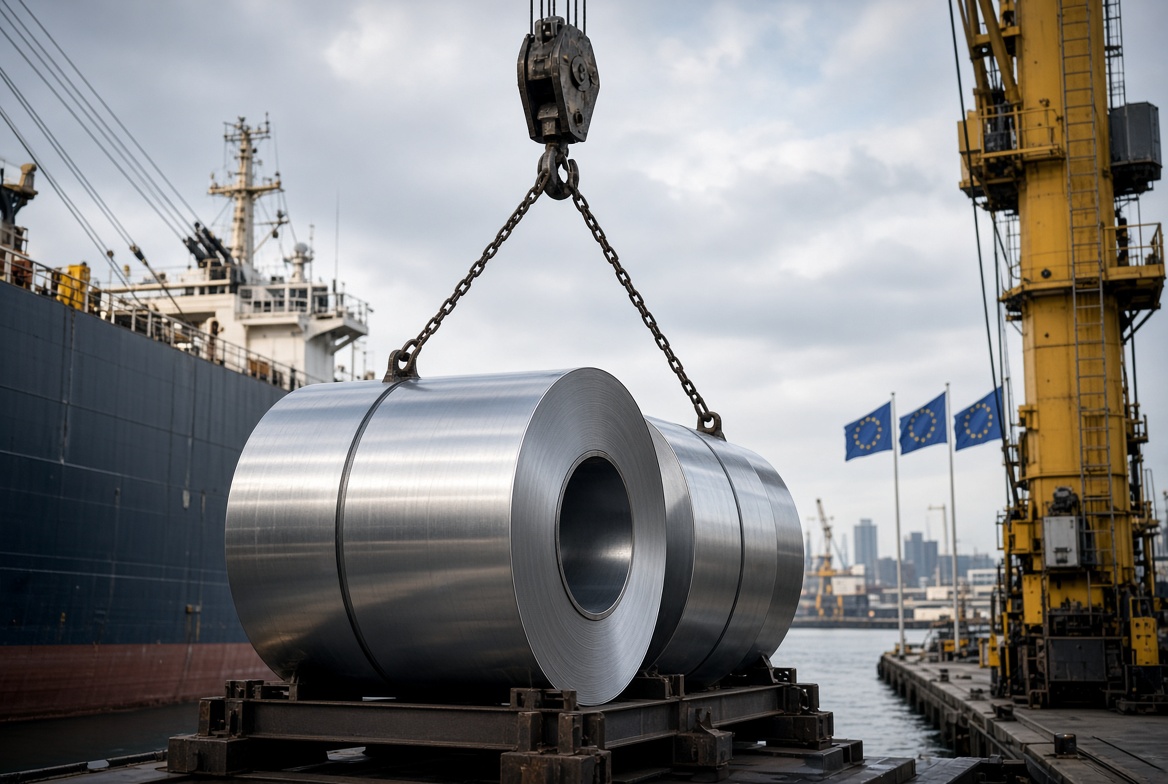
Regulation (EU) 2025/2509 on toys safety is the new European rule that replaces the former Directive 2009/48/EC and redefines the obligations for manufacturers, importers, distributors and online sellers across the European Union. It is a reform that rewrites the rules on chemical substances (PFAS, bisphenols, allergenic fragrances), introduces the digital product passport (DPP) and establishes controls in customs and marketplaces. If you market toys in the EU — whether by manufacturing them, importing them or selling them online — this regulation directly affects you and your business model.
What is Regulation (EU) 2025/2509 on toys?
Regulation (EU) 2025/2509 is the new European rule that sets the safety requirements that toys marketed in the European Union must comply with. It replaces the previous Directive 2009/48/EC and marks an important change. The first difference is that we are now dealing with a Regulation and not a Directive. This means, according to European Union law, that the rule applies directly in all Member States from its entry into force, without the need for each country to adapt it into its national legislation. As a result, differences of interpretation between States are reduced and harmonisation is strengthened.
One of the main objectives of the new Regulation is to ensure a high level of protection of children’s health and safety. For this purpose, it focuses on the risks associated with chemical substances and on the entry into the European market of imported products that do not meet the standards. It also responds to the growth of online sales, which until now had not been addressed.
Why has the European Union changed the regulation?
The European Union has updated the regulation because in recent years controls have detected a high number of non-compliant toys, with prohibited chemical substances, insufficient warnings, or defects in electrical products. In addition, since 2009 new scientific evidence has emerged about substances such as PFAS, bisphenols (such as BPA) or endocrine disruptors, or certain chemical substances.
This is also combined with the growth of electronic commerce. Today toys are easily sold through marketplaces and across borders, which requires more coordinated mechanisms with other European rules on digital services and product safety. Finally, with the Regulation, the rules will be the same throughout the European Union, border controls are strengthened and the digital product passport is introduced, which results in a more preventive, uniform and digitally adapted model.
From when does it apply?
The Regulation will apply according to a phased timetable. Some provisions begin to apply from 1 January 2026 and will affect the organisation of companies, digital systems and the progressive adaptation of manufacturers and importers. However, the general application begins on 1 August 2030. Companies should start preparing its application in advance, reviewing the use of chemical substances, contracts with suppliers, technical documentation and the implementation of the digital passport.
Who does it really affect?
The Regulation on toys affects the entire toy marketing chain in the European Union, from those who manufacture them to those who sell them to the final consumer. Manufacturers, whether inside or outside the EU, must design safe products, ensure compliance with the rules on chemical substances and create the digital product passport. Importers, if they bring toys from outside the European Union, must ensure that the manufacturer complies with the regulation. If the product is not compliant, they may be considered responsible.
Distributors and retailers, even if they do not manufacture or import, also have obligations. They must check that the product bears the marking and the mandatory information, not market suspicious items and cooperate in the event of a recall or safety problem. In the same way, online sales platforms and marketplaces. When they market toys from third parties, they must comply with the obligations, and the offer of a non-compliant product may be considered illegal content. Finally, companies that sell toys under their own brand must be careful because even if they are manufactured by a third party, they may still assume the position of manufacturer and therefore all its responsibilities.
What the law understands as a “toy”
The rule considers a toy any product designed or intended, wholly or partly, to be used for play by children under 14 years of age (Article 3 of the Regulation and annexes). In addition, “reasonable use” is also taken into account, meaning that even if the product is not labelled as a toy, if in practice a child can use it to play, it may be considered a toy. Authorities assess aspects such as design, size, colours, presentation, packaging, advertising and the target audience. If the product has child-oriented characteristics and a playful function, it may be considered a toy.
Products that are not considered toys
The regulation excludes certain products, such as public playground equipment, amusement machines, vehicles with combustion engines intended for minors or certain decorative items. Products intended for adults or collectors’ items that are not intended for play may also fall outside the scope, provided that they do not have a playful purpose for children. Even so, each case must be analysed individually, since the classification depends on the use and the marketing context.
Most common borderline cases (practical examples)
There are many borderline products that create doubts. For example, decorative items in the shape of animals that can be handled by children, educational kits that combine learning and play, children’s accessories with playful elements or technological products that look like toys. Another common case is items sold as “decorative” or “collectible” but which, by their design, are aimed at children. In these situations, authorities may consider that it is a toy, even if the manufacturer has not labelled it as such.
New safety rules: what changes in practice?
Regulation (EU) 2025/2509 does not simply update concepts, but introduces a preventive approach to toy safety. In practice, this means that companies must demonstrate that the product is safe in its use. Safety must be analysed taking into account the design of the toy and how it may be used by a child.
General safety requirements
The basic principle is set out in Article 5 of Regulation (EU) 2025/2509, which states that toys may only be marketed if they comply with the safety requirement and do not endanger the health or safety of children when used as intended or in a reasonably foreseeable way. For this reason, the manufacturer must anticipate children’s behaviour, such as biting, throwing, dismantling or misusing the toy. The product must remain safe in normal situations of child use. In addition, safety is not limited to physical risks. It also includes chemical and electrical risks.
Physical and mechanical safety
The Regulation establishes strict requirements for physical and mechanical safety, developed in Annex II. For example, the toy must not have sharp edges, small detachable parts that could cause choking, or elements that create a risk of trapping or strangulation. The resistance, stability, flammability and durability of the product are also assessed. If a component can detach after normal use, the toy may be considered non-compliant. Therefore, the design must remain safe even after repeated use or behaviour.
Electrical and internet-connected toys
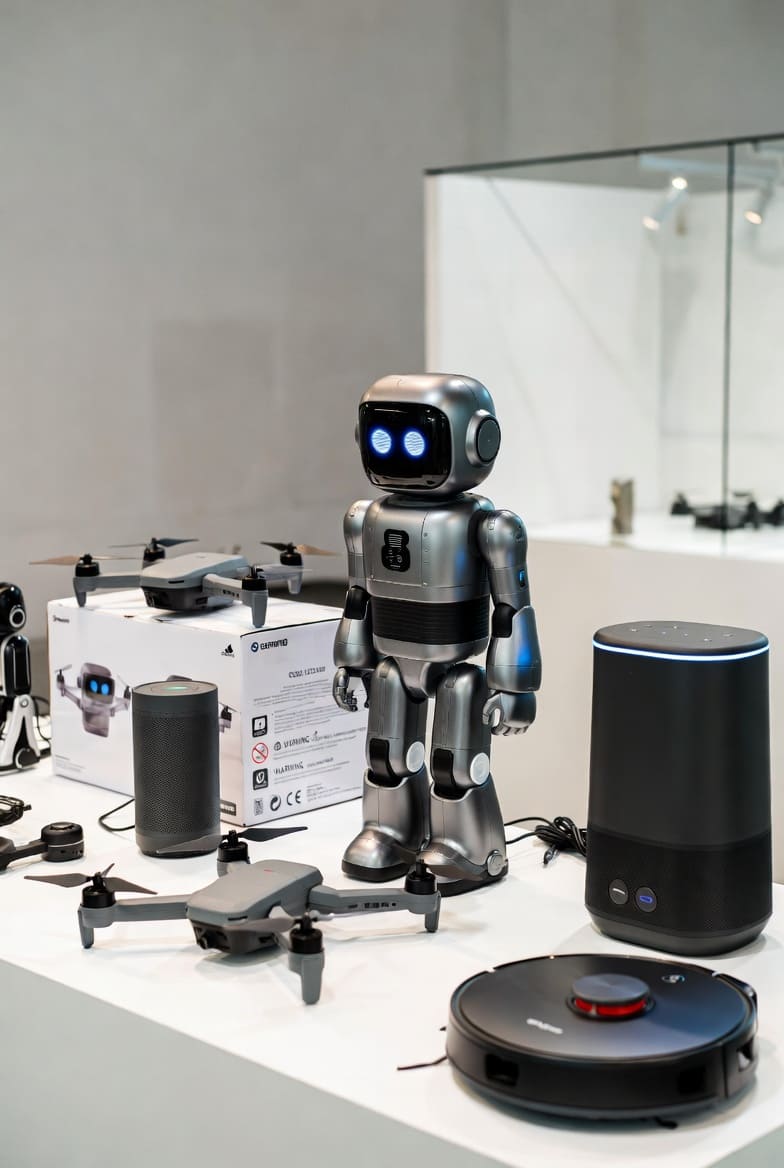
The new Regulation pays particular attention to electrical toys and toys connected digitally. In the case of electrical toys, risks such as electric shocks, overheating or fires must be avoided. Batteries and charging systems used in toys must comply with strict safety standards. As regards toys connected to the internet, potential risks related to the child’s wellbeing are taken into consideration.
What risks must the manufacturer analyse?
Regarding risks, the new Regulation establishes in Article 18 the obligation for the manufacturer to carry out a safety assessment before placing the toy on the market. This analysis must identify the dangers that the product may present and evaluate the exposure of the child, as previously analysed (physical, mechanical, chemical, electrical and digital). The assessment must be documented and form part of the product file. In case of inspection, authorities may request this documentation to verify that the manufacturer has carried out this analysis.
Prohibited chemical substances in toys
One of the most important changes introduced by Regulation (EU) 2025/2509 on toys concerns the chemical substances present in materials. The new regulation strengthens the rules in order to reduce children’s exposure to dangerous compounds. Toys may be made of plastics, paints, textiles, foams or other materials that may contain harmful substances. For this reason, the Regulation establishes strict limits for certain substances or even substances that cannot be used, through Annex II. Below are some of the categories of substances relevant for manufacturers, importers and distributors.
Prohibition of PFAS
The Regulation introduces very important restrictions regarding PFAS (per- and polyfluoroalkyl substances), a group of chemical compounds used in industrial materials. These substances are known for their possible negative impact on human health. As a consequence, European legislation is moving towards their elimination in many consumer products, including toys.
In toys, the intentional use of PFAS is prohibited, whether in the toy itself or in its components. For companies, this means reviewing the supply chain and ensuring that the materials used — such as coatings, plastics or surface treatments — do not contain added PFAS.
Restrictions on bisphenols (such as BPA)
Bisphenols, especially bisphenol A (BPA), are also subject to restrictions. These compounds, which are used in some plastics and resins, have been scientifically classified as endocrine disruptors, meaning substances that may interfere with the hormonal system. For this reason, the Regulation limits the presence of these compounds in toy materials, as well as other similar bisphenols. In this context, manufacturers must analyse the materials used and verify that they comply with the limits established in the regulation.
Allergenic fragrances and permitted limits
Certain aromatic substances may cause allergic reactions, especially when the toy is intended for young children or may come into contact with the mouth. For this reason, the regulation prohibits certain fragrances and establishes strict limits for others. This particularly affects products such as soft or textile toys, cosmetic or creative toys, and products that may be handled for long periods by children.
Carcinogenic substances, endocrine disruptors and recycled materials
The Regulation also reinforces the prohibition of certain dangerous substances, such as carcinogenic, mutagenic or toxic for reproduction substances (CMR). These substances are classified under the European legislation on classification and labelling of chemical substances (CLP Regulation). In general, they cannot be used in toys (except in very limited circumstances). As mentioned above, greater attention is also given to endocrine disruptors. The Regulation also addresses the issue of recycled materials, which are increasingly used in the context of the circular economy. Use of recycled materials is not prohibited, but it must be ensured that these materials also comply with all safety requirements.
Digital Product Passport (DPP), what is it and how does it work?
One of the main innovations of Regulation (EU) 2025/2509 on toy safety is the introduction of the Digital Product Passport (DPP). It will allow information about the toy to be collected and shared in order to improve traceability and facilitate the control of products on the European market. The digital passport will function as an electronic record of the product, accessible through a digital support (normally a QR code or another identifier).
This measure is part of the European strategy for the digitalisation of market surveillance and is provided for in Articles 28 to 34 of Regulation (EU) 2025/2509, which regulate the creation, content and access to the digital product passport. In practice, the DPP will allow different actors to access information about the product.
What information must it include?
Among other data, it will include information about the manufacturer or importer, the identification of the product and the elements needed to demonstrate that the toy complies with the safety requirements. It may also include data relating to technical documentation, safety assessments, warnings or certain regulated substances. From a business perspective, the DPP will become proof of product compliance, as it will allow the technical information to be linked to the product placed on the market.
How is it accessed? (QR code or other means)
Access to the digital passport will be provided through the toy itself, its packaging or the documentation accompanying it. In practice, the most common method will be the use of a QR code, or other equivalent systems allowing access to the digital information. This system will also make it easier to update information in the event of changes, alerts or product recalls.
Customs and controls
The Digital Product Passport will play a role in customs checks and market surveillance. Authorities will be able to use the digital passport to verify whether a toy complies with the regulation before allowing its entry into the European market. This will allow faster checks for products imported from third countries. If a product does not have the digital passport, authorities may block the marketing of the toy or even order its withdrawal from the market.
Obligations according to the role in the sales chain
Regulation (EU) 2025/2509 establishes specific obligations for each party involved in the marketing of toys in the European Union. Responsibility does not fall only on the manufacturer; the supply chain must ensure that the product complies with safety rules (manufacturer, importer and distributor). Safety and responsibility for toys do not depend only on who manufactures them, but also on those who introduce, distribute or sell them within the European Union.
Toy manufacturer
The manufacturer is the party with the greatest responsibility within the system. According to Article 11 of Regulation (EU) 2025/2509, the manufacturer must ensure that the toy has been designed and manufactured in accordance with the safety requirements established by the regulation. This involves carrying out a safety assessment (Article 18), preparing the technical documentation and ensuring the safety requirements provided for in Article 5 and Annex II of the Regulation. The manufacturer must also guarantee the traceability of the product and keep the technical documentation relating to it. If the manufacturer detects that a toy presents a risk or does not comply with the safety requirements, it has the obligation to adopt corrective measures, which may include withdrawing the product from the market or immediately informing the competent authorities.
Toy importer
The importer introduces into the European Union market toys manufactured in third countries. Its obligations are established in Article 13 of Regulation (EU) 2025/2509. Before placing a toy on the market, the importer must verify that the manufacturer has complied with its obligations and must identify itself as the responsible operator within the European Union.
Toy distributor or online shop
Distributors and retailers also have obligations. These responsibilities are set out in Article 14 of the Regulation. Before placing a toy on sale, the distributor must check that the product bears the mandatory information, including the necessary warnings and the details of the responsible operator. If the distributor has reasons to believe that the product does not comply with safety requirements, it must refrain from marketing it. These obligations also apply to online shops that sell toys directly to consumers.
Sales on marketplaces (Amazon, etc.)
The growth of electronic commerce has led to the inclusion of responsibilities for digital platforms that facilitate the sale of toys. Platforms must cooperate with market surveillance authorities and facilitate access to the information necessary to identify responsible operators. These obligations are coordinated with other European rules, such as the Digital Services Act (DSA), which strengthens the responsibility of platforms.
What happens if you sell under your own brand?
In these cases, even if the product has been manufactured by a third party, the company that markets it under its own brand may legally be considered the manufacturer. Anyone who markets a toy under their name or trademark, or who modifies a product already placed on the market in a way that may affect its compliance, assumes the responsibilities of the manufacturer. This means that they must ensure compliance with the manufacturer’s obligations. For this reason, companies that sell toys under a private label must pay close attention to regulatory compliance, since they may be considered responsible by the authorities in the event of non-compliance.
Online sale of toys and new responsibilities
The growth of electronic commerce has profoundly changed the way toys are marketed in the European Union. More and more products are sold through online shops or digital platforms. The objective of the Regulation is to ensure that toys sold online comply with the same safety requirements as those sold in physical shops. To achieve this, the Regulation strengthens traceability, consumer information and cooperation with authorities. In addition, these obligations are coordinated with other European rules, such as Regulation (EU) 2023/988 on product safety and the Digital Services Act (DSA), which establish responsibilities for digital platforms.
Mandatory information in the product page
When a toy is sold online, the consumer must have access to the information before making the purchase. This means that the product page must include the identification elements and warnings required by the regulation. These warnings may refer, for example, to the recommended minimum age or to specific risks related to the use of the toy. In addition, with the introduction of the digital product passport, provided for in Articles 28 to 34 of Regulation (EU) 2025/2509, information about the toy’s compliance may be consulted digitally through a data carrier, such as a QR code.
Recalls, complaints and risk management
The Regulation requires manufacturers, importers and distributors to adopt corrective measures when they detect a risk. In the digital environment, this may involve the immediate removal of the offer from the online platform and communication with affected customers.
Risks of blocking or sanctions
If authorities detect that a product is not compliant or represents a risk for consumers, they may order the removal of the offer from the marketplace or block its marketing. Digital platforms may also suspend the sale of the product or the seller if they detect repeated non-compliance. In addition, authorities may initiate administrative proceedings.
What happens if the Regulation is not complied with?
Failure to comply with Regulation (EU) 2025/2509 may have significant consequences for manufacturers, importers, distributors or online sellers. Market surveillance authorities have broad powers to intervene when they detect toys that do not comply with the regulation. Measures may range from the withdrawal of the product from the market to financial penalties or border blocks.
Product withdrawal
If a toy is considered dangerous or non-compliant, authorities may require its withdrawal from the market. This means that the product may no longer be marketed within the European Union. In certain cases, the recovery of products that have already been sold to consumers may also be ordered, especially when there is a risk to health or safety. These measures may involve economic costs for companies, in addition to affecting the continued marketing of the product.
Financial penalties
The Regulation establishes the general safety framework, but each Member State is responsible for establishing the system of penalties in case of non-compliance. These sanctions may include financial fines when products that do not comply with safety requirements are marketed or when a company does not cooperate with the authorities.
Customs blocks
Border controls have also been strengthened to prevent non-compliant products from entering the European market. If customs authorities detect a toy that does not comply with the requirements of the Regulation or that does not have the necessary documentation, they may block its entry into the European Union. This possibility is particularly important for importers introducing products from third countries, since a customs block may generate delays, additional costs or even the return or destruction of the goods.
Reputational damage
In addition, failure to comply with the regulation may have a significant impact on a company’s reputation. Alerts concerning dangerous products are published in European market surveillance systems, which may affect the trust of consumers, distributors and online sales platforms. In sensitive sectors such as toys, where child safety is a priority, an incident of this type may have lasting consequences for the brand.
How to prepare before 2026 and 2030
Regulation (EU) 2025/2509 introduces significant changes to the regulation of toys in the European Union, but its application will take place progressively. This means that companies that manufacture, import or sell toys in the EU should start preparing as soon as possible. Adapting processes, reviewing the materials used and updating documentation may take time, especially when international supply chains are involved. Below is a summary of some actions to be taken:
| Action | What you should do in practice | Legal basis in Regulation (EU) 2025/2509 | Why it is important |
|---|---|---|---|
| Review your product catalogue | Analyse which products in your catalogue are actually considered “toys” under European regulation and verify whether they comply with safety requirements. | Art. 3 (definition of toy) and Art. 5 (general safety requirement) | Helps identify which products are subject to the Regulation and avoid regulatory non-compliance. |
| Analyse chemical substances | Review the materials used and check for the presence of restricted substances such as PFAS, bisphenols, allergenic fragrances or CMR substances. | Annex II of the Regulation (chemical requirements) | Reduces the risk of marketing toys containing dangerous substances and avoids recalls or sanctions. |
| Adapt the technical documentation | Prepare or update the technical file of the product, including the risk assessment and the documentation of conformity. | Art. 18 (safety assessment) | Allows companies to demonstrate to authorities that the toy complies with safety requirements. |
| Implement the Digital Product Passport | Create a digital system linking the toy with its compliance information through a QR code or another data carrier. | Arts. 28–34 (Digital Product Passport) | Facilitates product traceability and market and customs controls. |
Practical cases | how we help companies comply with the Toy Regulation
In our firm we regularly advise companies that manufacture, import or sell products for children and that need to ensure that they correctly comply with European regulations before marketing their products. Below are some examples of situations in which we have assisted our clients.
Company importing toys from Asia
A European company importing toys from Asia contacted us because its products had been retained at customs during a safety control. After reviewing the file, we detected that the manufacturer had not properly carried out the required safety assessment and that the technical documentation was incomplete. We helped the client review the laboratory reports and the materials used, complete the product’s technical file and prepare the documentation required by the authorities. Thanks to this intervention, the company was able to regularise the situation and avoid further incidents.
E-commerce company selling children’s products
In another case, an e-commerce company was selling children’s items that had not originally been designed as toys. However, due to their shape, colours and the way they were marketed, there was a risk that authorities would consider them toys. We carried out a legal analysis of the product to determine whether it fell within the definition of the Regulation.
Following the analysis, we advised the client on how to adapt the product information in its online store, include certain warnings and review the classification of the product. This allowed the company to reduce the risk of sanctions or withdrawal of the product from the market.
Company wishing to sell toys under its own brand
A company marketing children’s products under a private label consulted us before launching a new line of toys. We explained that, under the Regulation, a company selling products under its own brand may legally be considered the manufacturer, even if the product is manufactured by a third party. We therefore helped the client review the contracts with the manufacturer and verify compliance with safety rules, which allowed the product to be launched on the market with greater legal certainty.
Preparation for the Digital Product Passport
Some companies are already preparing for the future implementation of the Digital Product Passport. In these cases, we help our clients identify what information must be included in the digital passport and organise the documentation in a structured way that will allow the digital product passport to be generated. This enables companies to anticipate the new regulatory requirements and avoid rushed changes when the regulation becomes applicable.
Do you need help complying with Regulation (EU) 2025/2509 on toys?
The entry into force of Regulation (EU) 2025/2509 represents an important change for all companies that manufacture, import or sell toys in the European Union. The new obligations regarding safety, control of chemical substances, technical documentation and the digital product passport mean that many companies must review their processes and supply chains. Many problems appear when products are already on the market. For this reason, it is important to be supported.
At Arthur & Marin, we advise manufacturers, importers and e-commerce companies on adapting to the European Regulation on toy safety. Our work includes legal analysis, regulatory compliance review, preparation of documentation and assistance in cases of market controls or regulatory incidents. We are specialists in European Union Law, Regulatory Law and International Law.
Contact us at info@arthurmarin.com or by phone at +32 465 345 492 if your company manufactures, imports or sells toys in the European Union and you want to ensure that you comply correctly with Regulation (EU) 2025/2509.
Frequently asked questions about the Toy Regulation
What is Regulation (EU) 2025/2509 on toy safety?
The Regulation is the new European rule governing the safety of toys marketed in the European Union. It replaces the former Directive 2009/48/EC and establishes stricter requirements regarding safety, control of chemical substances, technical documentation and product traceability. Its objective is to ensure that toys do not pose risks to the health or safety of children when used as intended or in a reasonably foreseeable way.
When does Regulation (EU) 2025/2509 enter into force?
The Regulation enters into force 20 days after its publication in the Official Journal of the European Union. However, its application will be progressive. Some provisions will begin to apply from 2026, while the full application of the Regulation is expected in 2030. This allows companies to gradually adapt to the new obligations.
To which products does the Toy Regulation apply?
The Regulation applies to any product designed or intended, wholly or partly, to be used for play by children under 14 years of age. However, there are some exclusions listed in Annex I, such as certain collectors’ items, public playground equipment or some sports products.
Does the Regulation also apply to toys imported from outside the EU?
Yes. Toys manufactured outside the European Union must comply with exactly the same safety requirements before they can be marketed in the European market. The importer is responsible for verifying that the manufacturer has fulfilled the obligations of the Regulation, including the safety assessment and the technical documentation of the product.
What is the Digital Product Passport for toys?
The Digital Product Passport (DPP) is one of the main innovations of Regulation (EU) 2025/2509. It is a digital system that allows access to relevant information about the toy — such as its regulatory compliance or manufacturer data — through a data carrier, such as a QR code. This system facilitates checks by authorities, particularly in imports and online sales.
Which chemical substances are prohibited in toys?
The Regulation strengthens restrictions on various chemical substances that may pose risks to children’s health. Among others, it establishes strict controls on carcinogenic, mutagenic or toxic for reproduction substances (CMR), certain bisphenols such as BPA, allergenic fragrances and persistent substances such as PFAS. These restrictions are mainly detailed in Annex II of the Regulation.
What happens if a toy does not comply with the European Regulation?
If a toy does not comply with the requirements of the Regulation, authorities may adopt various measures, such as withdrawing the product from the market, imposing financial penalties or blocking the product at customs. In serious cases, the recovery of products already sold to consumers may also be ordered.
Who is responsible if I sell toys under my own brand?
If a company sells a toy under its own brand or modifies an existing product in a way that may affect its safety, it may legally be considered the manufacturer under the Regulation. This means assuming all the obligations established for manufacturers, including the safety assessment, technical documentation and responsibility in case of non-compliance.
How can a company prepare for Regulation (EU) 2025/2509?
To prepare for the new regulation, companies should review their product catalogue, analyse the materials used, adapt the technical documentation and prepare for the future implementation of the Digital Product Passport. A preventive compliance review can avoid problems such as sanctions, customs blocks or product withdrawals.
Does the Regulation also apply to toys sold online?
The Regulation applies to all forms of marketing, including online or distance sales. Toys sold on the internet must comply with exactly the same safety requirements as those sold in physical shops. L00001-00082
Do internet-connected toys have additional requirements?
Digitally connected toys must also be assessed from the perspective of cybersecurity, privacy and potential risks for children, especially if they include interactive or tracking functions. L00001-00082
Are there noise limits for toys?
The Regulation establishes maximum noise levels for toys that emit sounds (such as musical toys or toy guns) in order to avoid hearing damage in children. L00001-00082
How long must compliance documents be kept?
Manufacturers and importers must keep the product documentation for 10 years from the moment it is placed on the market. L00001-00082
What do authorities check during a toy inspection?
Authorities usually verify:
- the product safety assessment
- the technical documentation
- the CE marking
- compliance with chemical requirements
- the digital product passport when it becomes mandatory
What happens if a toy represents a risk for children?
Market surveillance authorities may order measures such as product withdrawal, prohibition of marketing or recovery of toys already sold, in order to protect the health and safety of children.
Does the Regulation also apply to second-hand toys?
Yes, when second-hand toys are imported from outside the European Union and introduced into the European market. In that case, they must comply with the same safety requirements as new toys.