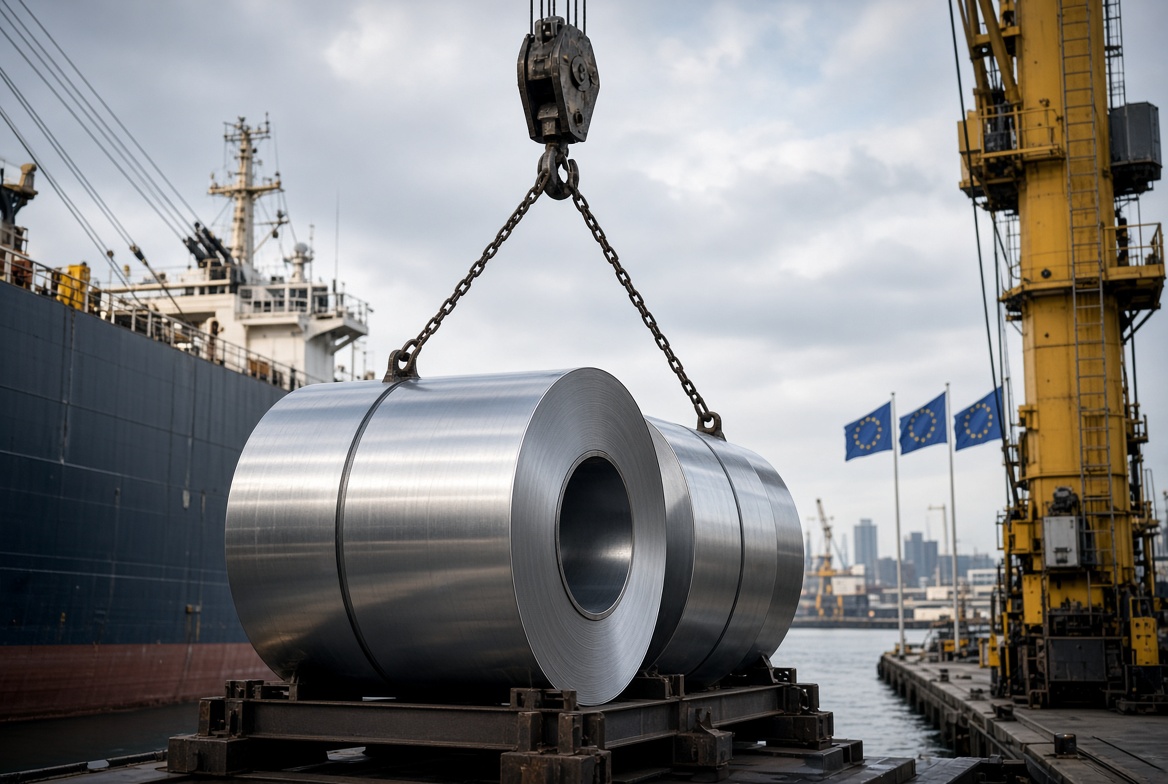
Regulation (EU) 2025/40 from the European Parliament and the Council is set to replace the old Directive 94/62/EC concerning packaging and packaging waste. This new regulation creates a consistent and legally binding framework that all EU Member States must follow.
Part of the European Green Deal, this regulation aims to cut down on packaging waste, enhance recycling efforts, and encourage a production model that supports a circular economy. It officially took effect on February 11, 2025, and will be fully implemented by August 12, 2026, following a gradual rollout.
The regulation affects manufacturers, distributors, importers, and online platforms that sell packaged goods in the European market. All these parties need to adjust their production and distribution methods to comply with the new legal requirements. This article will provide a legal overview of Regulation (EU) 2025/40, highlighting its key innovations, the primary obligations for businesses, and the potential risks and penalties for those who fail to comply.
Background and objectives of Regulation (EU) 2025/40
In recent years, the European Union has ramped up its efforts to shift towards a more sustainable, resource-efficient, and environmentally friendly economic model, especially with the introduction of the European Green Deal in 2019. The main goal here is to reach climate neutrality by 2050 while also boosting the circular economy across the EU.
Previously, packaging regulations were based on Directive 94/62/EC, which allowed for different interpretations by each country, leading to a bit of a regulatory mess among Member States. However, the new Regulation (EU) 2025/40 comes with direct applicability, ensuring that everyone is on the same page and that legal standards are harmonized throughout the Union. This change is a direct response to the pressing need to tackle the rising packaging waste crisis in Europe.
Areas of application Regulation (EU) 2025/40
The Regulation covers a wide range of areas, aiming to oversee the entire life cycle of packaging—from its design and production all the way to its disposal or recycling. It generally makes a distinction between different types of packaging, including commercial and household packaging, industrial packaging, and reusable packaging. Additionally, the Regulation extends to packaging components and materials, like caps, labels, and adhesives, especially when they play a role in the overall makeup or recyclability of the product.
That said, there are some exceptions. For example, packaging intended for medical, pharmaceutical, or military use might fall under special rules where public health or safety concerns warrant a different approach.
Objectives of regulation (EU) 2025/40
Regulation (EU) 2025/40 pursues a series of objectives aimed at transforming packaging practices across the European Union. The most notable include:
- Reducing the volume of packaging waste generated within the EU: The Regulation sets out progressive reduction targets, encouraging the redesign of packaging using lighter, recyclable, and more sustainable materials.
- Promoting reuse and recycling: Companies will be required to incorporate a minimum percentage of recycled content in their packaging, establish deposit-return systems (DRS), and encourage the use of reusable packaging to minimize waste and maximize resource efficiency.
- Harmonising legislation among Member States: By creating a uniform regulatory framework, the Regulation aims to provide legal certainty for businesses and facilitate trade within the EU internal market, reducing disparities in national implementation.
- Encouraging sustainable design and innovation: The Regulation promotes the use of recyclable and biodegradable materials, as well as the development of innovative technologies to improve packaging traceability, circularity, and environmental performance.
Obligations under Regulation (EU) 2025/40 for companies
Regulation (EU) 2025/40 on packaging and packaging waste is set to bring about a major shift in how companies approach the design, production, and marketing of packaging in the European market. Here’s a quick rundown of the key obligations that businesses will need to comply with.
Sustainable design and packaging reduction
A standout feature of Regulation (EU) 2025/40 is its emphasis on eco-design principles right from the start of the production process. Companies will need to phase out unnecessary plastics, non-recyclable multi-layer packaging, and any materials that can’t be recycled or reused. Additionally, businesses will have to cut down on the overall weight and volume of their packaging to help reduce waste. These new regulations, which will roll out gradually, will require manufacturers to focus on single-material (monocomponent) packaging to make recycling easier, design packaging that can be easily separated, disassembled, and sorted, and ensure that all packaging is either fully recyclable or reusable by design.
Minimum recycled material content
The Regulation mandates that all plastic packaging must include a minimum percentage of post-consumer recycled material. This percentage will differ based on the type of packaging, its intended use, and the timeline for implementation.
| Type of Plastic Packaging | Compliance Date | Minimum Post-Consumer Recycled Content | Comments / Regulatory Scope |
|---|---|---|---|
| Single-use plastic beverage bottles | January 2030 – January 2040 | 30% to 65% | Includes all plastic bottles intended for beverages, excluding reusable ones. |
| “Contact-sensitive” packaging made primarily of PET | January 2030 | 30% | Applies to packaging in direct contact with food, healthcare, or pharmaceutical products. |
| “Contact-sensitive” packaging made of non-PET plastics | January 2030 – January 2040 | 10% to 25% | Covers non-PET plastics used in non-reusable food or healthcare contact packaging. |
| Other plastic packaging (non-beverage, non-contact-sensitive) | January 2030 – January 2040 | 35% to 65% | Includes industrial, commercial, or transport packaging not in direct contact with food. |
Failure to comply with these minimum recycled content requirements may result in administrative penalties and marketing restrictions within the European single market.
Reuse and deposit-return systems
Another aspect of Regulation (EU) 2025/40 is its strong focus on promoting packaging reuse. Member States will need to set up reuse systems across various sectors, such as hospitality, food and beverage, catering, e-commerce, and home delivery services.
Additionally, the Regulation requires the implementation of deposit-return schemes (DRS), which enable consumers to get a small financial reward for returning used packaging. This initiative aims to encourage both reuse and responsible disposal. Meanwhile, companies will have to adjust their logistics and tracking systems to ensure effective monitoring and traceability of packaging throughout its entire life cycle.
Mandatory labelling and marking
When it comes to labeling requirements, all packaging needs to feature symbols and markings that show what materials were used and whether they can be reused or recycled. Producers must also offer clear information about the makeup and recyclability of their packaging. This is closely tied to the EU’s anti-greenwashing framework outlined in Directive (EU) 2024/825, which ensures that all environmental claims are not only verifiable but also comply with EU law. If these labeling rules aren’t followed, it could be seen as a misleading commercial practice under EU consumer protection laws.
Traceability and documentation obligations
Regulation (EU) 2025/40 introduces strict traceability and documentation requirements to enhance transparency throughout the packaging chain. Manufacturers, importers, and distributors must maintain detailed records including:
- The technical specifications of all packaging placed on the market.
- The composition and percentage of recycled material used.
- Contracts with waste management systems and recycling operators.
- Reports from external audits verifying compliance.
These records must be kept for at least five years and made available upon request during inspections. Companies will also be subject to regular audits assessing both environmental and administrative compliance, ensuring that packaging meets all sustainability and traceability standards.
Extended producer responsibility (EPR)
Under the new framework, producers, importers, and distributors are financially responsible for the entire life cycle of their packaging waste. This principle — known as “extended producer responsibility” (EPR) — ensures that those placing packaging on the market bear the costs of its management and recycling. Obligations include:
- Mandatory registration in national packaging producer systems.
- Financial contributions proportional to the volume and type of packaging marketed.
- Cooperation with authorities and waste management operators to ensure effective compliance.
This mechanism is based on the “polluter pays” principle, shifting the cost of waste management to those responsible for introducing packaging into the market. Member States will supervise compliance through national control bodies and may impose sanctions in cases of non-compliance.
E-commerce and non-EU companies
For the first time, Regulation (EU) 2025/40 is expanding its reach to include e-commerce platforms and companies based outside the EU. This means that online sales platforms, along with businesses located outside the European Union that sell products in the EU market, will need to adhere to all the requirements set forth by the Regulation.
These requirements cover everything from design and labeling to recyclability standards, and they also mandate that an authorized representative be appointed within the EU to handle all legal obligations. This change levels the playing field between EU and non-EU companies. Moving forward, all businesses that market packaged products within the EU will have to follow the same environmental and compliance standards, ensuring fairness and consistency across the internal market.
Market surveillance by authorities
Regulation (EU) 2025/40 introduces a robust framework for market control, supervision, and sanctions in the packaging sector. Both the European Commission and national authorities are granted broader powers to verify compliance, conduct inspections, and enforce penalties for violations.
Coordinated surveillance within the EU packaging market
National agencies will take charge of keeping an eye on producers, importers, and distributors to ensure that all packaging hitting the internal market complies with EU standards. These authorities will also work hand-in-hand with the Commission, sharing information to better watch any non-compliant packaging and making sure that enforcement is consistent across all Member States. Plus, the Regulation aims to tackle the issue of non-compliant packaging coming in from third countries, which is becoming more pressing with the growth of cross-border e-commerce and global trade. If you want to dive deeper, check out our page on EU Customs Law, where we break down what packaging compliance means for importers and exporters.
The Regulation encourages the use of digital tracking systems to keep tabs on where packaging comes from, what it’s made of, and where it ends up. This is a big leap towards creating a uniform market surveillance system throughout the EU, strengthening both environmental protection and fair competition in the single market. For more insights on unfair competition among companies, take a look at our section on EU Competition Law.
Sanctioning regime under regulation (EU) 2025/40 on packaging
Each Member State will be required to establish a national sanctioning framework consistent with the Regulation’s provisions. Penalties must reflect the gravity, duration, and scale of the infringement, as well as the volume of packaging concerned. Consequences of non-compliance include:
- Administrative fines proportionate to the company’s annual turnover.
- Temporary or permanent bans on the marketing of non-compliant packaging.
- Withdrawal of products or packaging that fail to meet design, labelling, or recyclability requirements.
The Regulation also brings in joint liability for importers, distributors, and online platforms that put non-compliant packaging on the market. This means that the responsibility is shared throughout the entire supply chain, rather than resting solely on the shoulders of manufacturers. Additionally, if there are repeated violations or a lack of cooperation with authorities, these will be seen as aggravating factors, which could result in tougher penalties or stricter enforcement measures.
Because of this, companies operating in the EU should take the time to review and adjust their compliance frameworks to meet the requirements of Regulation (EU) 2025/40. It’s a good idea to do this with the help of a law firm that specializes in EU regulatory law, as they can ensure full legal compliance and help minimize the risk of facing sanctions.
Sectoral impact of regulation (EU) 2025/40
This section examines the main sectors directly affected by the Regulation: food and beverage, cosmetics and pharmaceuticals, and e-commerce and logistics.
Food and beverage industry
The food and beverage industry is one of the sectors feeling the heat the most. With its heavy reliance on single-use packaging and the constant need to ensure food safety, this industry finds itself right in the spotlight of new regulations. Regulation (EU) 2025/40 sets tough limits on the production and sale of non-recyclable or single-use plastic packaging. This covers items like cups, cutlery, trays, and containers meant for immediate consumption. Companies will need to switch to reusable or recyclable materials to meet the reduction goals set for 2030 and 2040.
As mentioned earlier, Member States will also have to roll out return systems, particularly for beverage packaging, to make sure materials get recycled after they’re used. Lastly, any reusable food-contact packaging must adhere to minimum hygiene and food safety standards
Cosmetics and pharmaceutical sector
The cosmetics and pharmaceutical industries are facing a need to adjust to new packaging regulations that focus on sustainability and transparency for consumers. Many products in these fields rely on specific materials to ensure they remain stable, safe, and have a good shelf-life—think perfumes, medicines, and makeup. The primary packaging, which is the part that directly touches the product, needs to meet requirements for recyclability, reuse, and a minimum amount of recycled content. This shift will happen gradually, allowing time for testing and certification. We can expect some major changes, especially when it comes to multi-layer plastics and smaller packaging formats.
Another important aspect is that producers must provide clear information about the packaging’s composition and recyclability. This means including symbols and digital labels, like QR codes or electronic traceability systems, to help consumers understand how to dispose of packaging waste properly. For pharmaceuticals, these new obligations will be aligned with existing medicinal product regulations to ensure that patient safety and pharmacovigilance standards remain intact.
E-commerce and logistics
The e-commerce industry is now having regulations under Regulation (EU) 2025/40, when it comes to transport packaging and the responsibilities of marketplaces. Companies are required to cut down on empty space and excessive packaging, make sure their box sizes are just right, and use recyclable materials for shipments within the internal market. This regulation also promotes the use of reusable packaging between suppliers and consumers. One of the changes is the direct responsibility placed on platforms like Amazon, Zalando, and eBay. They are now accountable for ensuring that the products they sell meet the packaging and labeling requirements set out in the regulation. These platforms need to check that all producers and distributors using their services comply with Regulation (EU) 2025/40, and they could face penalties if they don’t.
A particularly important novelty is the direct responsibility assigned to platforms —such as Amazon, Zalando, or eBay— regarding compliance with packaging and labelling obligations for the products they sell. These intermediaries must verify that all producers and distributors on their platforms adhere to Regulation (EU) 2025/40 and will be subject to penalties in case of non-compliance.

Implementation timeline for regulation (EU) 2025/40
The implementation timeline for regulation (EU) 2025/40 is set to unfold gradually, stretching all the way to 2040. This approach is crafted to help Member States, businesses, and consumers ease into the new requirements surrounding sustainable packaging and the circular economy. With its extensive influence on various sectors, including industrial, commercial, and logistics, the European Union has mapped out a phased rollout to ensure a smooth transition.
Gradual implementation
Although Regulation (EU) 2025/40 enters into force immediately, its effective application will be rolled out progressively:
| Period | Measures |
|---|---|
| From 2025 | – Ban on certain single-use packaging, particularly non-recyclable plastics. – Obligation to provide consumers with information on composition, recyclability, and proper disposal of packaging. – Development of national adaptation plans and creation of monitoring systems by Member States. |
| Between 2026 and 2028 | – Launch of deposit-return systems (DRS) for beverage packaging (plastic, glass, and metal). – Implementation of minimum recycled content standards and design-for-recycling requirements for all packaging. – Creation of administrative cooperation mechanisms between national authorities and the European Commission. |
| From 2030 | – Full implementation of binding reuse and recyclability targets. – Shared environmental responsibility for marketplaces and digital distributors, who must verify compliance with labelling and composition standards. |
Detailed implementation calendar of regulation (EU) 2025/40
| Period / date | Main measures and obligations | Description and legal scope |
|---|---|---|
| March 2025 (estimated) | Entry into force of Regulation (EU) 2025/40 | Member States must designate competent authorities and prepare implementation plans. |
| From 1 July 2025 | Ban on certain single-use packaging | Mandatory replacement with certified reusable or recyclable materials. |
| From 1 January 2026 | Consumer information obligation and harmonized labelling | Producers must include visible information on composition and recyclability. |
| Until 31 December 2026 | National adaptation plans and monitoring mechanisms | Member States must notify the European Commission of their compliance control systems. |
| From 1 January 2027 | Implementation of deposit-return systems (DRS) | Progressive rollout of beverage packaging collection schemes. |
| 1 January 2028 | Mandatory application of technical standards for recyclability and minimum recycled content | All packaging must include a minimum percentage of recycled material and meet design criteria. |
| During 2028 | Administrative cooperation between national authorities and the European Commission | Creation of a European data-sharing platform for packaging waste and traceability. |
| 1 January 2030 | Full application of reuse and recyclability targets | All packaging placed on the market must be fully recyclable or reusable. |
| From 2030 | Entry into force of shared environmental responsibility for marketplaces and digital distributors | Online platforms must verify that products sold comply with packaging and labelling obligations. |
| During 2030 | Overall impact assessment and review of Regulation (EU) 2025/40 | Evaluation of outcomes, with potential legislative proposals to strengthen targets. |
Challenges, opportunities, and risks for businesses
The rollout of Regulation (EU) 2025/40 concerning packaging and waste is set to pose some serious challenges for businesses in every sector. While the goal is to cut down on waste, plastic reuse, and promote recyclable materials, this regulation will bring about a major shift in how companies handle production, logistics, and administrative tasks.
One of the first hurdles is the need to redesign packaging to comply with recyclability standards and minimum recycled content requirements. This means companies will have to invest in new materials and secure quality certifications, especially in industries like food, pharmaceuticals, and cosmetics, where safety and hygiene are critical. Logistics also presents a significant challenge. Setting up deposit-return systems (DRS) for beverages and other types of packaging will require companies to forge partnerships with waste management operators and keep track of every unit that hits the market. Small and medium-sized enterprises (SMEs) might feel the pinch the most when it comes to adaptation costs, but they can tap into European support and funding initiatives tied to the Green Deal and the Circular Economy Action Plan.
On the legal and administrative front, businesses will need to keep detailed records of packaging composition, collection, recycled content, and reuse strategies. Failing to comply with these requirements could lead to fines that are proportional to their business size or environmental impact. Another concern is the potential mismatch between national laws and EU regulations during the transition phase. In some Member States, the temporary overlap of national packaging laws with the new Regulation could lead to legal disputes, particularly around environmental labeling, record-keeping, or the responsibilities of the various parties involved
💡 Proactively developing a compliance plan before implementation dates will position companies competitively within the European Single Market.
Relationship with other European environmental regulations
Regulation (EU) 2025/40 is a piece of the larger European legal framework focused on sustainability and waste management. To start, it builds on the waste Directive 2008/98/EC, which lays out the essential principles of waste management in the EU, such as the waste hierarchy and the responsibilities of Member States regarding planning and collection.
Regulation (EU) 2025/40 strengthens these principles by specifically addressing packaging and packaging waste. This regulation is also closely tied to the Sustainable Products Regulation (ESPR), which aims to ensure that products sold in the EU are durable, repairable, and recyclable. Within this context, Regulation (EU) 2025/40 directly applies these principles to how packaging is designed and managed throughout its life cycle. Importantly, Directive (EU) 2019/904 on single-use plastics provides a foundation for this new regulation by introducing measures to cut down on and ban certain plastic products, which are further expanded upon in the 2025/40 Regulation.
Moreover, the European Plastics Strategy (2018) plays a significant role in encouraging higher recycled content, reducing waste, and minimizing microplastic pollution, all in line with the goals of a circular economy. Lastly, Directive 2024/825 on Greenwashing regulates sustainability claims and eco-labeling, ensuring that environmental statements are verifiable and comply with EU law. Overall, this cohesive approach highlights the European Union’s dedication to creating a proactive, recycling-focused waste management policy while fostering a competitive and sustainable economy.
Outlook and competitive position in sustainability
In the next few years, Regulation (EU) 2025/40 regarding packaging and packaging waste is set to become a key element of the European Union’s circular economy. As it rolls out gradually, we can expect to see significant changes in how products are made and consumed throughout the EU single market.
For companies that take the initiative to align with this European legal framework, there are plenty of benefits to reap. They can lower the chances of facing penalties, boost their reputation, tap into EU incentives and funding, and improve their competitive edge in the internal market. So, this regulation isn’t just a challenge; it’s a genuine opportunity for growth that aligns perfectly with the EU’s environmental goals.
At Arthur & Marin, specialists in European Union law, we support companies in the legal and technical implementation of Regulation (EU) 2025/40, reviewing compliance to ensure alignment with European sustainability standards.
📩 Contact us at info@arthurmarin.com or by phone at +32 465 345 345 to discover how to turn regulatory compliance into added value and a competitive advantage for your organization.
💡 Act today and secure your company’s sustainable future.