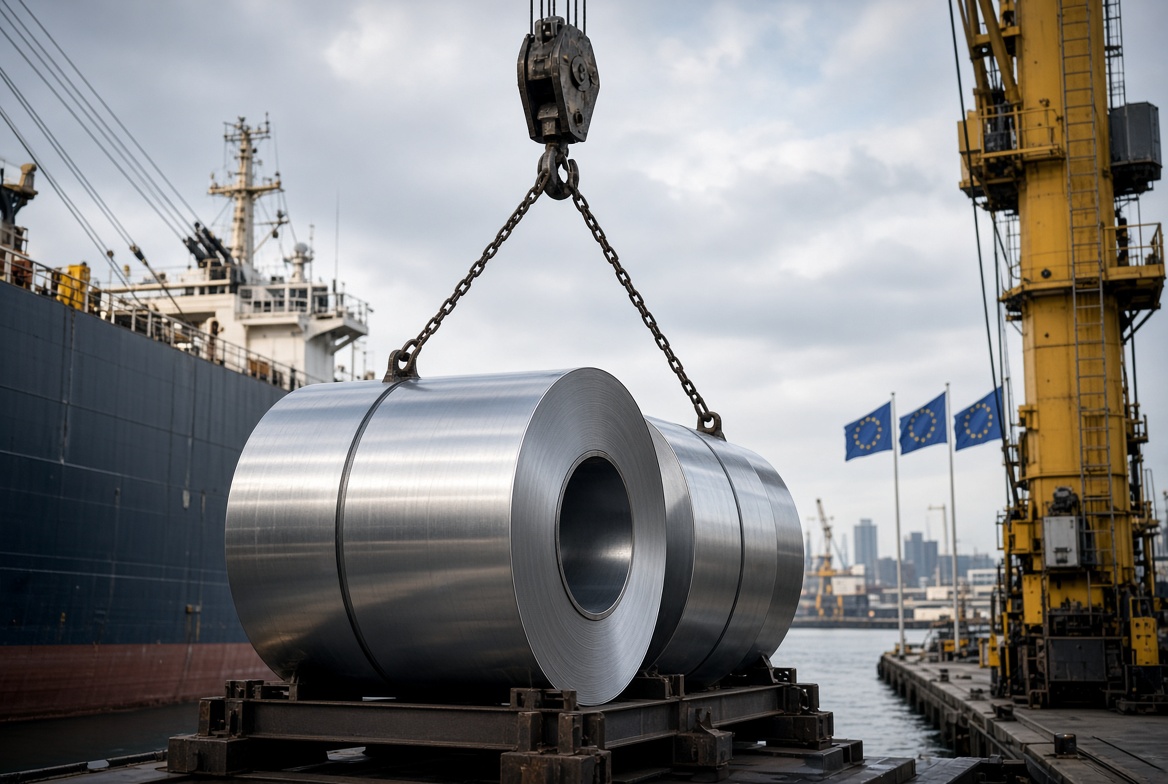
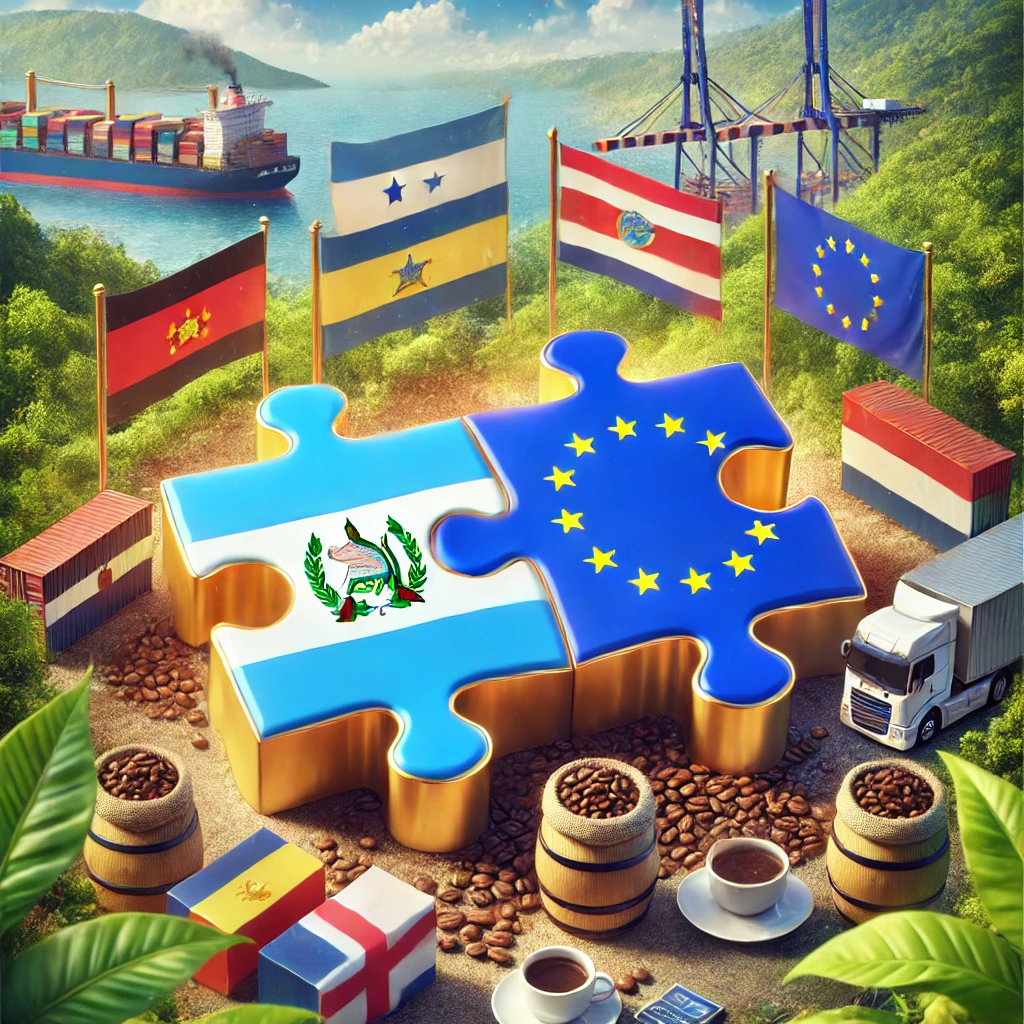
In May 2010, Costa Rica, El Salvador, Guatemala, Honduras, Nicaragua, and Panama concluded the negotiations for the Association Agreement. On June 29, 2012, the agreement was signed during the SICA summit in Tegucigalpa, Honduras. Later, in April 2024, the European Council approved the EU – Central America Association Agreement, thus completing its ratification process. Currently, the agreement is provisionally applied until its final ratification.
This article analyzes the key provisions of the agreement, its implementation, and the benefits it may offer to the businesses and legal actors involved.
Scope of the EU – Central America Association Agreement
This contractual legal framework encompasses three main pillars: political dialogue, cooperation, and trade:
- Political dialogue. Bilateral issues of common interest, including governance, sustainable development, climate change, democracy, and human rights.
- Cooperation. The EU and Central America aim to consolidate, update, and expand financial and technical aid between both regions. The goal is to improve economic and social infrastructure in Central America.
- Trade. The agreement creates a free trade area that includes the progressive elimination of tariffs on industrial products and facilitates trade in services. Additionally, the agreement opens new opportunities for Central American products in the European market, which consists of over 500 million consumers with high purchasing power. This creates a stable business framework, boosting investment and economic development in both regions.
Benefits of the EU – Central America Association Agreement
For Central America
- Preferential access to the EU Market. Central American exports of products such as coffee, bananas, and sugar benefit from reduced or eliminated tariffs, increasing their competitiveness in the European market. The EU has liberalized 91% of tariff lines for Central American exports, while Central American countries will do so for 48% within 10 years, with a small number of products exempted after 15 years.
- Duty-free access. Access for products benefiting from the SPG+ regime and other products like shrimp, bottled rum, cheese, and cassava. Duty-free quotas for products like sugar, beef, bulk rum, and rice.
- Flexible rules of origin (preferential tariff benefits). Applicable to products like tuna, textiles, and plastics to fully leverage the tariff advantages of the agreement.
- Private sector development. Increased cooperation for the development of the private sector, integration of both continents, and promotion of public-private partnerships. This aims to attract foreign investment.
For the European Union
- Access to emerging markets. The EU gains preferential access to a growing market in Central America, representing an opportunity to expand its exports of goods and services, particularly in sectors like machinery, chemicals, and vehicles.
- Securing strategic supplies. The EU ensures the supply of key products like coffee, sugar, tropical fruits, and other natural resources, diversifying its import sources.
- Supply security. The EU secures the supply of key products like coffee, sugar, tropical fruits, and other natural resources, diversifying its sources of import and ensuring food security.
- Investment opportunities. Companies benefit from a more predictable investment environment, with access to emerging sectors in Central America. Investment protection provides greater legal security for investors.
Specific services offered by Arthur & Marin
At our firm, we specialize in providing personalized legal advice in the context of International Trade between Central America and European Union countries. Our services include:
- Compliance. Customs regulations and import/export procedures, ensuring compliance with applicable laws and regulations in both regions.
- Advisory on origin rules and product certification. Ensuring products meet the requirements to benefit from tariff preferences. Assistance in obtaining certificates of origin and other documents for export/import.
- International Contracting. Drafting, reviewing, and negotiating international commercial contracts, tailored to trade between Central America and the EU. Resolution of cross-border contractual disputes.
- Intellectual Property and trademark protection. Registration and protection of trademarks, patents, and copyrights in both markets. Intellectual property infringements.
- Investments and specific services. Ensuring compliance with EU quality and safety standards, especially in food, pharmaceutical, and chemical products, and direct investments.
Continuous improvement and future perspectives of the agreement
The EU – Central America Association Agreement provides for the simplification of customs procedures, the expansion of tariff-free export quotas, and financial strengthening. For Central American businesses, this means more competitive access to the European market, facilitating export diversification and attracting European investments. On the other hand, European businesses benefit from the continuous reduction of trade barriers, preferential access to high-quality resources and products from the Central American region, and greater legal security.
For more information on International Trade between Latin American companies and the European Union, visit our specific article.
Contact us for more information on the EU – Central America Association Agreement and how our firm can assist in International Trade at info@arthurmarin.com or +32 465 345 345.